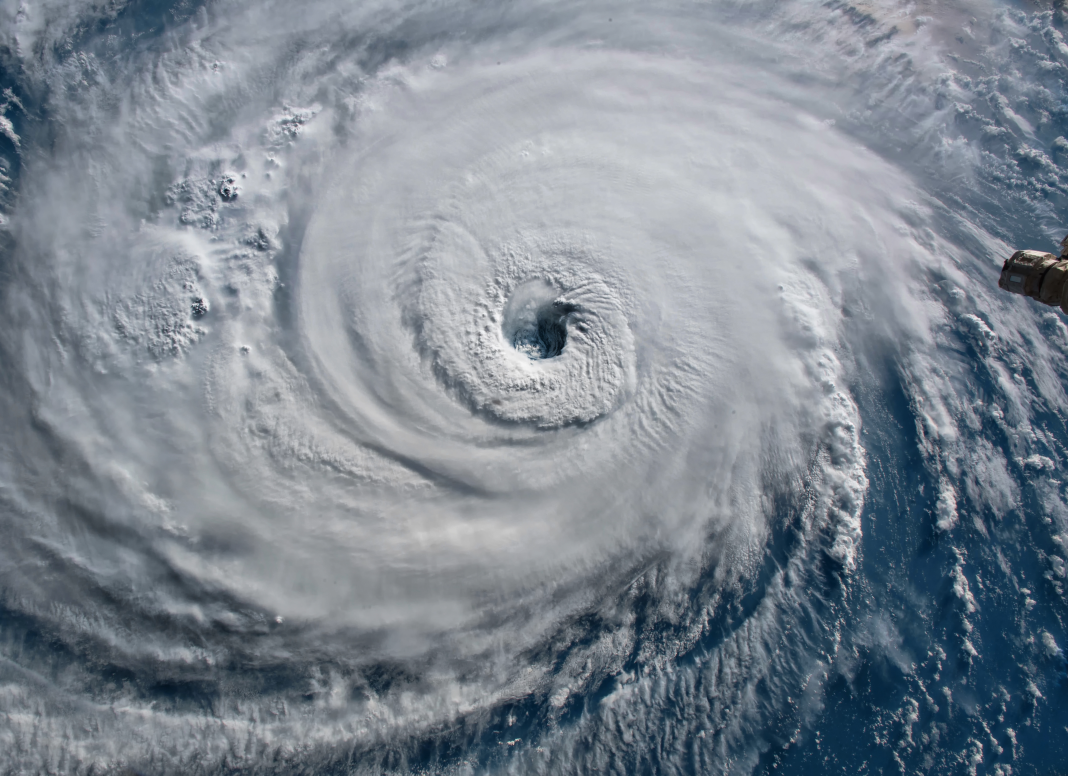
The 2026 Atlantic hurricane season officially begins today, and while forecasters are expecting fewer storms than normal, North Carolina residents are still being urged to prepare.
The National Oceanic and Atmospheric Administration’s Climate Prediction Center is forecasting a below-average hurricane season, calling for 8 to 14 named storms between June 1 and Nov. 30. Of those storms, 3 to 6 are expected to become hurricanes, with 1 to 3 reaching major hurricane strength with sustained winds of at least 111 mph.
The main reason for the lower forecast is the anticipated development of El Niño conditions in the Pacific Ocean.
El Niño often creates stronger upper-level winds across the Atlantic Basin. Those winds can tear apart developing tropical systems before they have a chance to organize and strengthen into tropical storms or hurricanes. While ocean temperatures across parts of the Atlantic are expected to remain warm enough to support storm development, forecasters believe the effects of El Niño will likely suppress overall activity this season.
Even with a quieter forecast, meteorologists caution that it only takes one storm to make a season memorable.
North Carolina residents know that firsthand. Hurricanes do not have to make a direct landfall in the state to cause significant impacts. Tropical systems can bring flooding rain, damaging wind, tornadoes and power outages hundreds of miles inland, including across Moore County.
The Atlantic storm names for 2026 are:
Arthur, Bertha, Cristobal, Dolly, Edouard, Fay, Gonzalo, Hanna, Isaias, Josephine, Kyle, Leah, Marco, Nana, Omar, Paulette, Rene, Sally, Teddy, Vicky and Wilfred.
Those names are part of a six-year rotating list maintained by the World Meteorological Organization. The name Leah replaced Laura after Hurricane Laura was retired following the devastating 2020 hurricane season.
Historically, the busiest part of hurricane season occurs between mid-August and mid-October, when ocean waters are at their warmest and atmospheric conditions become more favorable for tropical development.
Forecasters encourage residents to use the start of hurricane season as a reminder to review emergency plans, stock disaster supplies and ensure they have multiple ways to receive weather warnings should a storm threaten the Carolinas.
MCN SkyAlert will monitor the tropics throughout the hurricane season and provide updates on any tropical systems that could impact North Carolina or Moore County. As Moore County’s only National Weather Service SKYWARN-certified publication, MCN SkyAlert will continue tracking storms using National Hurricane Center data, weather models and real-time analysis to keep residents informed when tropical threats develop.
While NOAA expects fewer storms than average this year, experts stress that hurricane preparedness should remain the same regardless of the seasonal forecast.
After all, it only takes one.

A Moore County native who has spent more than 20 years telling stories across North Carolina and beyond. He’s worked with CNN, WRAL, and CBS 17, and now serves as a Video Journalist for ABC11. Patrick has a passion for breaking news and has earned multiple awards for his coverage. He’s also a certified NWS SKYWARN Storm Spotter and was among the first news videographers in the state to become an FAA-certified drone pilot.
